EDGE BANDING VENEERS contact us for shopping

The Advantages of Prefinished Edge Banding in Woodworking
Prefinished edge banding is a thin strip of real wood veneer (typically 0.5mm to 3mm thick) used in woodworking to cover and finish the exposed raw edges of materials like plywood, MDF, particle board, or shelving. Unlike standard (unfinished) edge banding
12/21/20252 min read
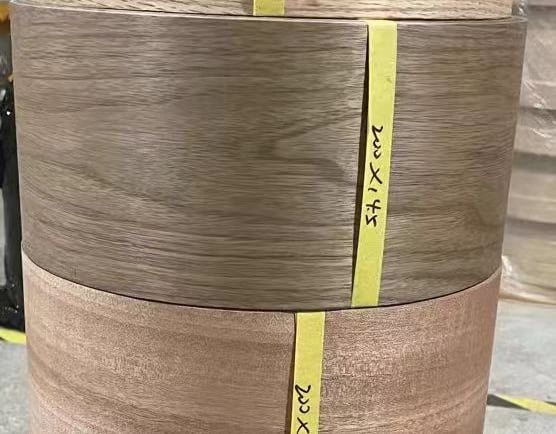
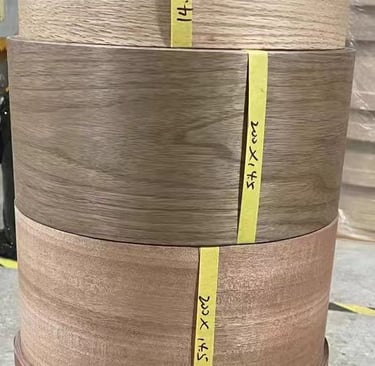
Introduction to Prefinished Edge Banding
In the world of woodworking, the aesthetic and functional aspects of a project are paramount. One way to enhance the finish of your woodworking projects is by using prefinished edge banding. This product is essentially a thin strip of real wood veneer, typically ranging from 0.5mm to 3mm in thickness, designed to cover the exposed edges of materials such as plywood, MDF, particle board, and shelving. Unlike standard unfinished edge banding, prefinished options offer several distinct advantages that can significantly improve both the appearance and durability of your finished products.
Benefits of Using Prefinished Edge Banding
Prefinished edge banding is an excellent choice for woodworking enthusiasts and professionals alike. One of the key benefits is the time-saving aspect. Since prefinished edge banding is ready to use right out of the package, it eliminates the need for additional finishing steps, such as sanding and applying stain or finish. This quick application process allows woodworkers to focus more on the construction of their projects rather than lengthy finishing processes.
Moreover, prefinished edge banding provides a uniform appearance. Because it is manufactured with pre-applied finishes, the veneer exhibits a consistent color and finish, ensuring that the edges of your project match the surfaces perfectly. This is particularly crucial when working with laminates, where improper finishing can lead to noticeable differences in color and sheen.
Durability and Protection
Another important aspect of prefinished edge banding is its durability. The finished layer not only enhances the aesthetic appeal but also acts as a protective barrier against moisture and wear. This quality is especially beneficial for furniture pieces and cabinetry, as exposed wood edges are more susceptible to damage. By utilizing prefinished edge banding, woodworkers can significantly extend the lifespan of their projects, as it helps to stave off potential warping, chipping, and swelling that can occur with the exposure of raw edges.
In addition, prefinished edge banding is available in a wide variety of wood species and finishes. This versatility allows woodworkers to select banding that closely matches the specific type of wood used in their projects. Whether you are working with birch, maple, or oak, prefinished edge banding offers a cohesive look that elevates the overall outcome of your work.
Conclusion
Overall, prefinished edge banding serves as an essential component in modern woodworking, marrying convenience with quality. Its ability to save time, provide consistency, and enhance durability makes it a superior choice compared to traditional edge banding methods. Investing in prefinished edge banding is a decision that leads to both aesthetic and functional improvements, ensuring that your woodworking projects are not only beautiful but also built to last.